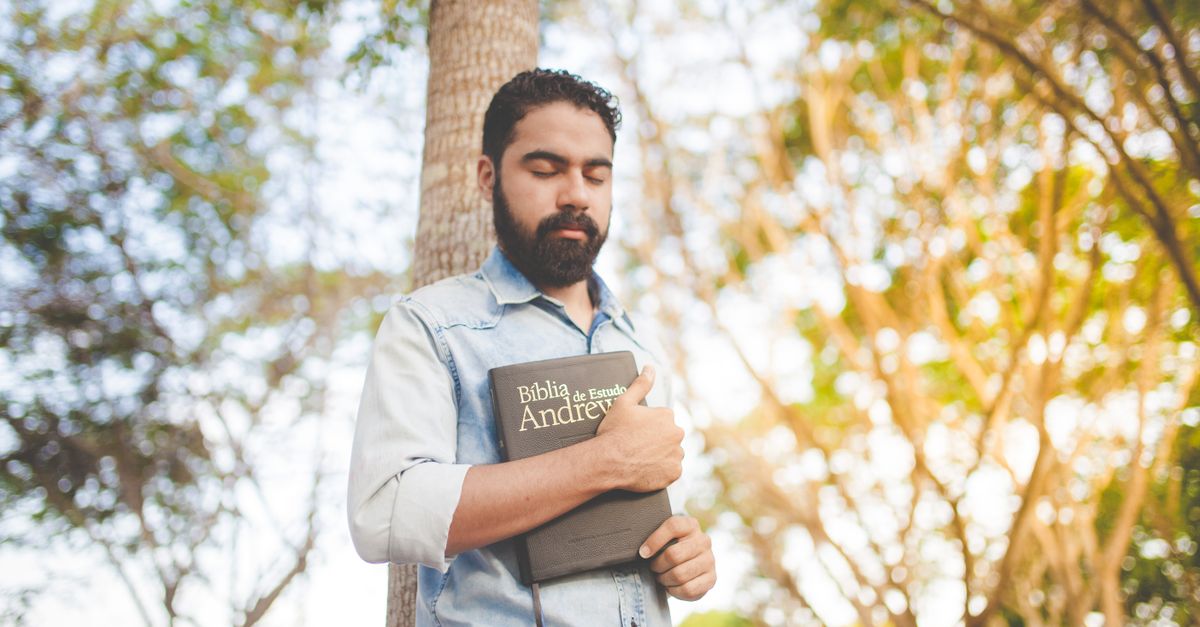
Here's a surprising number that stopped me mid-scroll last month: according to the Pew Research Center, Americans who attend religious services weekly are measurably happier and more hopeful than those who don't — even during periods of economic and social turmoil. Read that again. In an era of doom-scrolling and 24/7 anxiety, the people who show up to church, mosque, or temple on a regular basis are reporting better mental health outcomes than the rest of us.
I've found that statistic fascinating — and honestly, a little convicting. Because when the news cycle feels like a slow-motion car crash, my first instinct isn't prayer. It's refreshing Twitter. Again.
The Anxiety Epidemic Nobody's Preaching About
Let's be honest: anxiety is the unofficial religion of our time. We're anxious about money, politics, climate, AI, our kids' screen time, our own screen time. The American Psychological Association reports that gen Z is the most anxious generation on record, and honestly, watching the news for ten minutes explains why.
But here's the part most people miss. Anxiety isn't just a feeling — it's a spiritual condition. Every major faith tradition has something to say about fear, and it's rarely "just calm down." In Christianity, the phrase "do not be afraid" shows up over 300 times in the Bible. In Islam, the Quran pairs tawakkul (trust in God) with peace of heart. Buddhist practice centers on releasing attachment. The point is: faith traditions have been training people to handle uncertainty for thousands of years — long before anyone invented a push notification.
So why does it feel like believers are just as anxious as everyone else? That's the tension I want to sit in for a minute.

What Actually Happens Inside a Believer's Brain Under Pressure
I talked to a pastor friend of mine who's been leading a congregation through a rough year — layoffs, health scares, a fire in the neighborhood. I asked him what he sees in people who stay hopeful versus people who crumble.
His answer surprised me. It wasn't about having stronger faith in some abstract sense. It was about having a routine that doesn't depend on how you feel. The hopeful ones kept showing up. They kept praying even when it felt empty. They kept serving meals, showing up to small groups, calling the people who were struggling.
Here's what most people miss: hope in anxious times is usually not a lightning bolt — it's a habit. Research backs this up. Studies on religious coping, like the work of psychologist Kenneth Pargament, show that people who use what he calls "positive religious coping" — trusting God, seeking spiritual support, reframing hardship as meaningful — report lower anxiety and better psychological outcomes. It's not magic. It's practice.
And that's the secret, if there is one. Believers who stay hopeful under pressure aren't superhuman. They've built spiritual muscle memory — the same way a runner's legs know what to do at mile 20 without asking permission.

Three Habits I've Seen in People Who Stay Hopeful
I've spent enough time around faithful people in hard seasons to notice patterns. Here are the three that show up again and again:
- They shrink their worry horizon. Anxious people worry about everything, forever. Hopeful believers tend to focus on today — "give us this day our daily bread" isn't just poetry, it's a strategy. One day at a time, one prayer at a time.
- They belong to someone. Faith is not a solo sport. The single biggest predictor of resilience I've seen is being known — having people who notice when you disappear. Isolation is anxiety's best friend; community is its kryptonite.
- They serve someone worse off than them. This sounds backwards, but I've watched it work over and over. The fastest cure for a spiral of self-focused anxiety is a casserole dish and a neighbor who needs it. Service is a hope delivery system — for the giver as much as the receiver.
None of these require a mountaintop experience. They require showing up on a Tuesday.
The Honest Truth About Doubt in the Waiting Room
I'd be lying if I said faith always feels like peace. Sometimes it feels like sitting in a waiting room with no clock on the wall. Doubt doesn't disqualify you from hope — it's often the doorway to a deeper kind. Some of the most faithful people I know have seasons where prayer feels like talking to a ceiling.
Here's what I've learned: hope is not the absence of fear; it's the decision about where you put your fear. You can put it in the headlines, the polls, your bank balance — or you can put it somewhere sturdier. That's the whole game. Faith under pressure isn't about pretending the pressure isn't real. It's about refusing to let the pressure have the final word.
So What Do You Do Tomorrow Morning?
If you're anxious right now — and statistically, a lot of you are — here's my challenge. Don't wait for the feeling to pass before you act. Pick one of those three habits. Text one person who's struggling. Go to the service you've been skipping. Pray the prayer even if it feels like talking to a wall.
Hope isn't something you wait for. It's something you practice. And the people who practice it — imperfectly, doubtfully, one anxious Tuesday at a time — are the ones who come out the other side still standing.
Which habit is hardest for you? I'd genuinely love to know. Drop it in the comments, and let's be honest about the mess together.